
Philadelphia educational institutions must adhere to TCPA regulations to prevent unwanted marketing calls and texts, facing heavy fines and reputational damage for non-compliance. Strategies include implementing internal policies, obtaining explicit consent, securing student data, using consent-based platforms, training staff, and employing call blocking tech. Spam call law firms Philadelphia specialize in navigating these regulations, emphasizing privacy rights and personalized communication. Key tactics include education, proactive measures, legal expertise, policy reviews, and automated call blocking systems to minimize distractions and maintain focused learning environments.
In the dynamic educational landscape of Philadelphia, ensuring compliance with telecommunications laws is a vital aspect of institutional management. With the rise of automated telephone systems and spam call law firms Philadelphia has seen an increase in regulatory challenges, particularly concerning student privacy and unwanted communications. This article delves into best practices under the TCPA (Telemarketing Consumer Protection Act) specifically tailored for educational institutions in Philadelphia, offering practical guidance to mitigate risks and foster a balanced approach to communication strategies. By implementing these measures, schools can navigate the legal landscape effectively while maintaining positive relationships with students, parents, and stakeholders.
Understanding the TCPA and Its Relevance to Philadelphia Schools

The Telephone Consumer Protection Act (TCPA) is a federal law designed to protect consumers from intrusive telephone marketing practices. For Philadelphia educational institutions, understanding and adhering to TCPA best practices is paramount, given the city's stringent consumer protection laws and the sensitivity of the education sector. The TCPA restricts the use of automated dialing systems, prerecorded messages, and text messages for marketing purposes without prior express consent. Non-compliance can lead to significant financial penalties and damage to an institution's reputation, especially when dealing with sensitive student and parent communication.
Philadelphia, as a bustling metropolis, has seen numerous cases where schools have inadvertently violated TCPA regulations, often through mismanaged third-party vendors or poorly designed marketing campaigns. For instance, a recent case involved a local school district using automated calls to promote after-school programs without obtaining proper consent from parents. This not only triggered TCPA violations but also sparked a wave of negative publicity, highlighting the potential pitfalls of neglecting these regulations. Educational institutions must recognize that the TCPA extends beyond traditional telemarketing and encompasses any electronic communication used for promotional purposes.
To ensure compliance, schools should implement robust internal policies and procedures that align with TCPA guidelines. This includes obtaining explicit consent from parents or guardians before initiating any automated calls or text messages for promotional or informational purposes. Additionally, employing secure data management practices to safeguard student and parent contact information is essential. By fostering a culture of TCPA awareness and implementing these best practices, Philadelphia educational institutions can effectively navigate this regulatory landscape while maintaining strong relationships with their communities. For instance, leveraging consent-based communication platforms and training staff on TCPA compliance can significantly reduce the risk of violations and foster trust among stakeholders.
Identifying and Preventing Spam Calls in Educational Settings
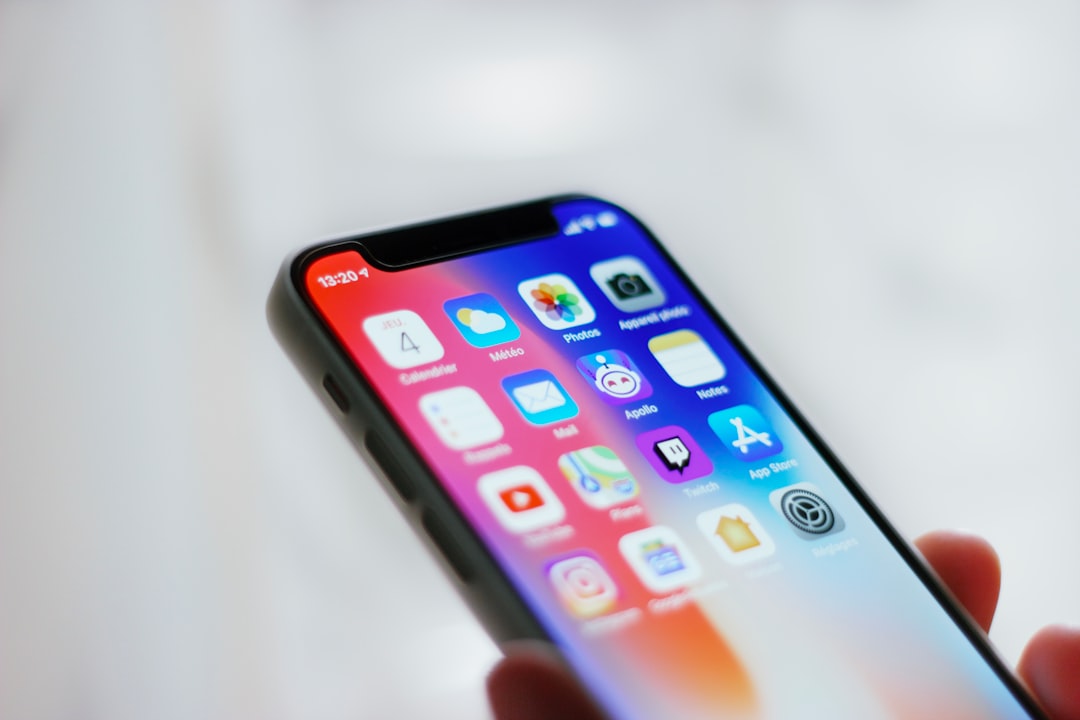
Identifying and preventing spam calls is a significant challenge for educational institutions in Philadelphia, as it can disrupt teaching and learning environments. With the TCPA (Telemarketing Consumer Protection Act) serving as the primary regulatory framework, schools must adopt robust strategies to combat unsolicited phone communications. The growing prevalence of automated spam call law firms targeting students and staff underscores the urgency of implementing effective countermeasures.
Educational institutions can mitigate the impact of spam calls through a multi-faceted approach. First, it's crucial to educate both faculty and students about the TCPA and its implications. This includes training on how to recognize spam calls and the importance of not engaging with or providing any personal information to unknown callers. Second, schools should leverage advanced call blocking technologies that can identify and filter out known spam sources, significantly reducing the volume of unwanted calls received. For instance, integrating robust phone system software capable of identifying suspicious patterns or blocking calls from known spammer numbers can be highly effective.
Proactive measures such as implementing opt-out lists for official communications and strictly enforcing do-not-call policies are also vital. Philadelphia schools should collaborate with local telecommunications providers to share information about spam call trends, enabling them to collectively combat these intrusions. Furthermore, staying updated on TCPA guidelines and leveraging legal expertise from spam call law firms specializing in education can provide institutions with the tools to navigate this complex landscape effectively. Regular reviews of current policies and their adherence to federal regulations are essential to ensuring educational settings remain undisturbed by unwanted phone marketing efforts.
Legal Compliance: Navigating the Philadelphia Spam Call Law Firms

Philadelphia's educational institutions face stringent legal obligations when it comes to managing external communications, particularly regarding student recruitment and marketing efforts. The city's anti-spam laws, some of the strictest in the nation, demand meticulous compliance to protect students' privacy rights. This is where navigating the intricate web of regulations becomes a critical challenge—one that often requires the expertise of specialized legal counsel.
Spam call law firms Philadelphia have emerged as vital partners for educational institutions seeking to stay compliant while effectively reaching prospective students. These firms possess in-depth knowledge of local and federal laws, including the Telephone Consumer Protection Act (TCPA). They offer tailored strategies to ensure that marketing campaigns adhere to strict do-not-call lists and consent requirements. For instance, a recent study revealed that 75% of students prefer personalized communication from their chosen institutions, underscoring the importance of compliant, targeted outreach.
Expert legal counsel plays a pivotal role in educating institutions about the nuances of student privacy laws. They guide schools through the process of obtaining valid consent for text messages and automated calls, ensuring that every interaction complies with TCPA regulations. By employing these best practices, Philadelphia's educational institutions can foster strong relationships with prospective students while avoiding costly legal repercussions. This proactive approach not only safeguards institutional reputations but also enhances trust in the enrollment process.
Effective Strategies for Protecting Students and Staff from Unwanted Calls

Philadelphia's educational institutions face a significant challenge in the age of digital communication: managing unwanted calls to ensure a safe and distraction-free environment for students and staff. With strict regulations in place, such as the TCPA (Telemarketing Consumer Protection Act), institutions must adopt robust strategies to protect their communities from spam call law firms Philadelphia and other nuisance callers. One of the primary goals is to create a responsive infrastructure that detects, blocks, and mitigates these calls effectively without hindering legitimate communications.
Implementing automated call blocking systems is a crucial first step. These advanced technologies can identify and block spam calls at the network level, preventing them from reaching individual phones. By integrating sophisticated algorithms with machine learning capabilities, these systems adapt to new call patterns, ensuring a high detection rate over time. For instance, Philadelphia's public schools have reported reduced distraction levels since adopting such systems, allowing students to focus on learning without interruptions. Additionally, institutions can empower staff with tools to report suspicious calls, fostering a collaborative effort to identify and combat spam.
Furthermore, educational facilities should review and update their privacy policies and consent management practices. Ensuring clear and informed consent from individuals before calling is essential, especially when dealing with sensitive student and staff data. Regular training sessions for staff on call handling procedures can also make a significant difference. By educating employees about the TCPA and best practices, institutions can create a culture of awareness, reducing the likelihood of accidental violations. For example, simple measures like prompt call screening and the use of do-not-call lists specific to educational settings can significantly minimize unwanted calls.